Construction Site Welfare Facilities — What HSE Requires
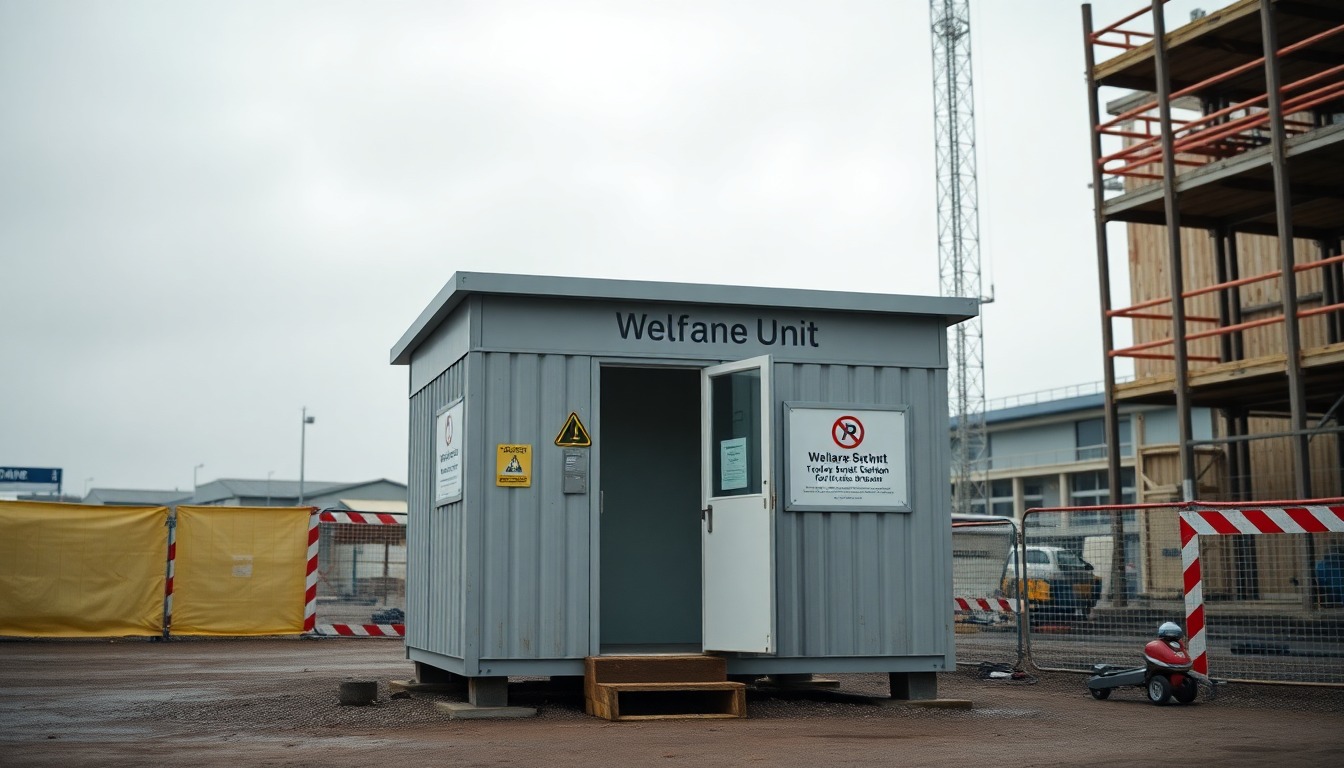
Welfare provision on UK construction sites isn’t optional and it isn’t guesswork — it’s set out in the Construction (Design and Management) Regulations 2015 (CDM 2015) and the HSE’s supporting guidance, and it applies from the first day work starts, even on small sites. Getting it wrong can mean an improvement notice, a stop-work order, or a fine. Here’s what’s actually required, in practical terms.
The legal basis
CDM 2015, Schedule 2, sets out the minimum welfare facilities that must be provided on any construction site. This sits alongside the general duty under the Workplace (Health, Safety and Welfare) Regulations 1992 to provide adequate welfare facilities for anyone working on site. The duty falls on the principal contractor for the project, not on individual subcontractors, though in practice the contractor managing the site day-to-day is the one who needs to make sure it’s actually delivered.
Toilets: the core requirement
HSE guidance requires suitable, sufficient toilet facilities that are:
- Adequately ventilated and lit
- Kept clean
- Separate facilities for men and women, or rooms with lockable doors usable by either (portable toilets with lockable doors satisfy this)
- Within reasonable distance of where people are working — HSE doesn’t specify an exact metre figure for construction sites, but the working principle used across the industry is that workers shouldn’t have to walk an unreasonable distance or wait an unreasonable time to access one
There’s no single HSE-mandated ratio published as a hard number for construction (unlike some office/workplace guidance which references 1 toilet per 25 people), but the accepted trade practice — and what most principal contractors specify in their site setup — is 1 toilet per 15-20 workers as a working minimum, adjusted upward on sites with a lot of physical labour, hot conditions, or long shifts. On a typical 20-30 person site, that means at least 2 units; larger sites of 100+ scale proportionally.
Washing facilities — not optional, and not the same unit as the toilet
Separate to the toilet requirement, HSE requires washing facilities that include:
- Clean hot and cold (or warm) running water
- Soap and a means of drying hands
- Facilities near the toilets and near any changing rooms
A welfare unit combining toilet, wash basin, and rest area in one structure — priced from £85-£140/week for hire — is the most common way UK sites satisfy both the toilet and washing requirement in a single delivered unit, particularly on sites without mains water connected yet.
Drinking water
An adequate supply of drinking water must be provided, clearly marked if there’s any risk of it being confused with non-drinking water, with cups or a drinking fountain available. This is frequently overlooked on smaller sites and is one of the more common gaps HSE inspectors flag.
Rest facilities
Workers need somewhere to sit, get out of the weather, and eat meals away from areas contaminated by construction dust or materials. This must include a means of boiling water (for hot drinks) and, where necessary, a way of warming food. On sites without a permanent site office, a welfare unit or separate rest pod covers this requirement.
Changing rooms and storage for clothing
Where workers need to change into site-specific clothing (PPE, waterproofs), CDM 2015 requires changing rooms with secure storage for clothing not worn on site, and separate storage for PPE. This becomes a bigger requirement on sites with wet trades or hazardous materials where street clothing genuinely can’t be worn on top of or underneath work gear.
What HSE inspectors actually check on a site visit
In practice, inspectors assess welfare provision against three questions: is it sufficient for the number of people on site, is it in good working order (clean, stocked, functioning), and is it being maintained throughout the project rather than just provided on day one and forgotten. A site that had adequate facilities at the start but let servicing lapse as the workforce grew is a common finding — this is why matching your hire contract’s servicing frequency to your actual headcount matters, not just the headcount at the point you first ordered.
Getting the numbers right for your site
A rough planning guide for site welfare hire:
- Small site, up to 15 workers: 1 standard unit (from £25-£35/week) plus separate access to washing facilities, or 1 welfare unit covering both
- Medium site, 15-40 workers: 2 standard units plus a welfare unit, or 2 welfare units
- Large site, 40+ workers: scale standard units at roughly 1 per 15-20 workers, with dedicated welfare units for washing and rest, and consider a disabled-access unit (from £35-£45/week) if there’s any chance of a site visit from someone with mobility needs — assessors, clients, or building control officers
Servicing frequency matters as much as unit count
HSE guidance expects facilities to be kept clean and in working order throughout the project, not just delivered once. Weekly servicing is the standard default for construction hire, but sites with larger workforces or longer shifts should specify twice-weekly servicing at the point of booking rather than waiting for a problem to be reported.
Booking site welfare without the guesswork
Give your supplier your site postcode, expected workforce size, project duration, and whether you need washing facilities included, and they should be able to recommend a compliant unit mix without a site visit.
Send those details to leads@portabletoiletrentals.co.uk and you’ll get a recommended setup with confirmed weekly pricing back by email within 30 minutes, Monday to Saturday.